Introduction
In today's unpredictable globe, recognizing just how to react during emergencies can make the distinction in between life and fatality. Whether it's a sudden clinical occurrence, a mishap in the house, or a wellness dilemma in a public space, having the right skills can conserve lives. Enter First Aid and CPR programs-- your crucial toolkit for emergency situations. These courses outfit individuals with the expertise and techniques required to take care of various scenarios effectively.
This comprehensive overview will certainly look into every little thing you need to find out about Emergency treatment and mouth-to-mouth resuscitation training courses, covering their value, what they involve, how to get certified, and far more. So twist up; we're about to embark on an interesting trip that can prepare you for real-life emergencies.
What Are First Aid and CPR Courses?
First Aid and mouth-to-mouth resuscitation courses provide vital training on how to reply to medical emergency situations successfully.
Understanding Initial Aid
- Definition: Emergency treatment is the immediate support offered to someone struggling with an illness or injury until professional medical assistance arrives. Key Components: It consists of analysis of the situation, stablizing of the individual's problem, and doing needed interventions.
Importance of mouth-to-mouth resuscitation (Cardiopulmonary Resuscitation)
- Definition: Cardiopulmonary Resuscitation (CPR) is a lifesaving method utilized in emergencies when somebody's heartbeat or breathing has stopped. When It's Needed: Circumstances consist of heart attack or near-drowning incidents.
These training courses incorporate functional skills with academic understanding, guaranteeing participants not just comprehend what to do yet also why those activities are essential.
Why Should You Enlist in an Emergency Treatment Course?
Real-Life Application of Skills
The main factor anybody must take into consideration signing up in a first aid course is the possible real-life application of these skills. Picture seeing somebody collapse as a result of a heart attack; recognizing how to perform mouth-to-mouth resuscitation could be life-saving.
Boosting Confidence in Emergencies
Taking component in these courses assists develop confidence. When confronted with an emergency circumstance, having actually undertaken appropriate training can ease panic and boost decision-making.
Increased Employability
Many companies now search for candidates that have an emergency treatment certificate. Whether you remain in medical care, education and learning, or even corporate fields, having this qualification can provide you an edge over other applicants.
Components of Emergency treatment and Mouth-to-mouth Resuscitation Courses
Basic Life Assistance (BLS)
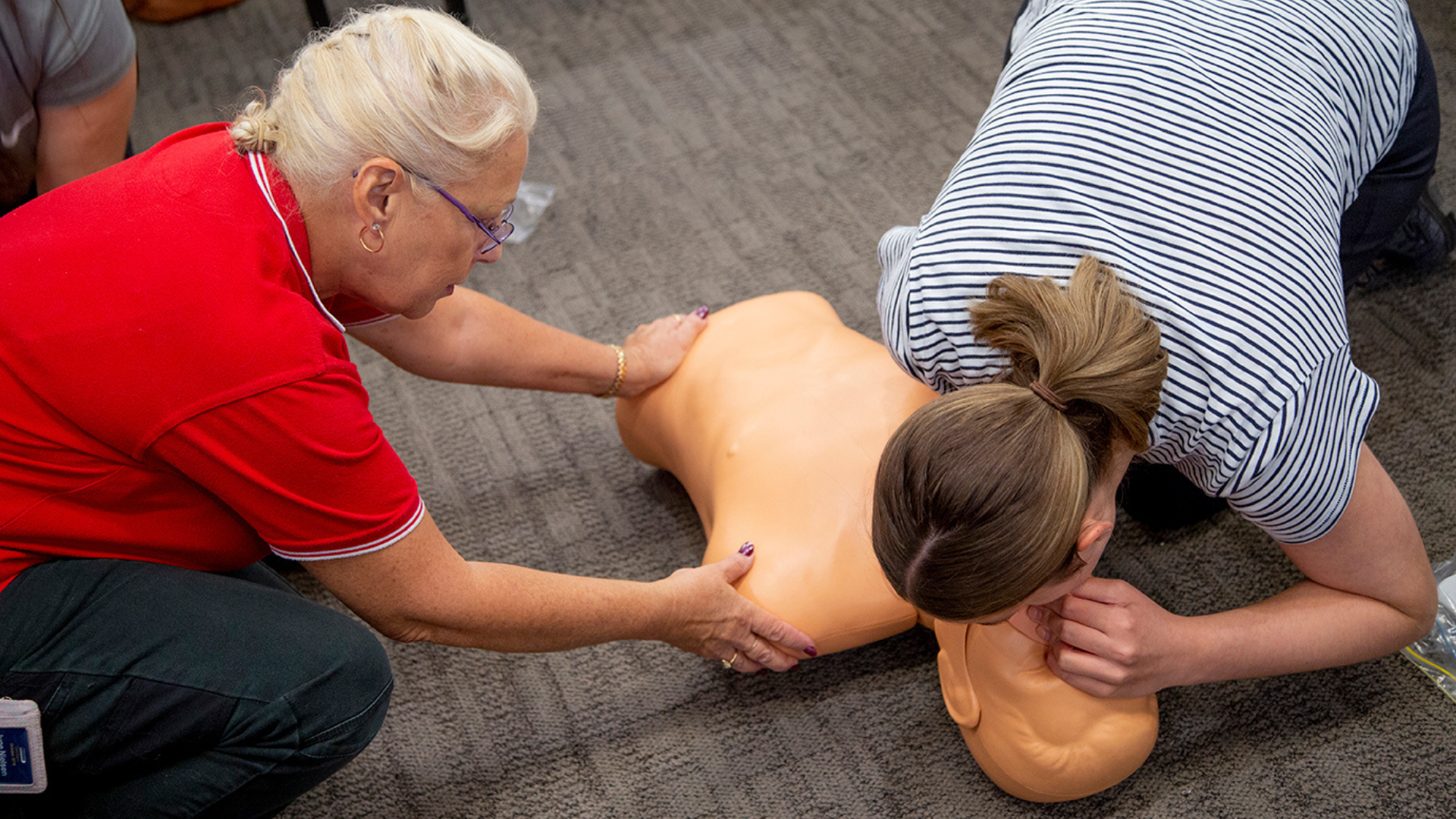
- Emphasis on preserving efficient breathing and circulation. Techniques such as chest compressions and rescue breaths are practiced extensively.
Choking Management
- How to identify choking symptoms. The Heimlich maneuver and back strikes are instructed as vital methods for displacing an obstruction.
Wound Care
- Understanding different sorts of injuries (cuts, scrapes). Techniques for cleaning up injuries and using dressings appropriately.
Recognizing Clinical Emergencies
Participants discover exactly how to recognize signs of different clinical problems such as:
- Heart attack Stroke Seizures
How Do You Get Certified? A Step-by-Step Guide
Choose a Respectable Institution- Look for companies accredited by recognized bodies like the American Heart Association (AHA) or Red Cross.
- Decide whether you desire fundamental emergency treatment training or advanced options like Advanced Cardiovascular Life Support (ACLS).
- Most companies provide on the internet enrollment for convenience.
- Participate actively in both theory and useful sessions to make sure comprehensive learning.
- A written exam paired with practical assessments typically determines certification eligibility.
- Upon successful conclusion, you will obtain your certificate legitimate for a specific period (typically 2 years).
Types of First Aid Flows Available
Standard Emergency treatment Course
Aimed at general public participants; covers important skills suitable across numerous scenarios.
Advanced First Aid Course
Designed for those seeking to acquire deeper understandings into medical emergency situations; suitable for professionals working in risky atmospheres like building and construction sites or medical care facilities.

Youth Programs
Tailored especially for youngsters aged 12-- 17; focuses on age-appropriate scenarios they might experience at institution or home.
CPR Certification: What You Required to Know
Duration of CPR Courses
Typically varies from 2-- 4 hours depending on the company supplying them. Some places also give on-line options that permit you to learn at your very own rate followed by hands-on practice sessions.
Certification Credibility Periods
Most certifications must be renewed every 2 years with refresher courses. This ensures that your First Aid Course Brisbane abilities remain pertinent and updated according to current guidelines.
Common Misconceptions Concerning Emergency treatment and Mouth-to-mouth Resuscitation Training
Myth 1: "I Don't Required Training; I Can Just Call 911"
While calling emergency situation services is vital, knowing basic emergency treatment methods while waiting can dramatically enhance results for people experiencing medical crises.
Myth 2: "Only Doctor Required Accreditations"
Not real! Anyone can take advantage of taking emergency treatment courses-- parents, teachers, trainers-- all play essential functions where emergency situation circumstances may arise.
FAQs Concerning Emergency treatment and CPR Courses
FAQ 1: What Is Covered in a Basic Emergency Treatment Course?
A basic emergency treatment course typically covers subjects such as wound treatment, allergic reaction management, choking assistance strategies, recognizing indications of heart attacks/strokes/seizures among others.
FAQ 2: Do I Need Any Prior Experience?
No prior experience is needed! These training courses are designed for novices that want fundamental knowledge regarding responding effectively throughout emergency situation situations.
FAQ 3: The length of time Does It Take To Full A Course?
Completion times differ based on layout chosen yet normally range from numerous hours up until one full day relying on depth covered within program scope!

FAQ 4: Exists An Age Requirement For Participants?
Most organizations enable individuals aged twelve years old & & above get involved safely given they possess parental authorization if under eighteen!
FAQ 5: Exactly how Usually Need To I Restore My Certification?
Certifications normally expire after 2 years so plan ahead appropriately when organizing refresher classes!
FAQ 6: Will certainly I Receive A Physical Certification After Completion?
Yes! Upon efficiently finishing all needs outlined within chosen program-- including evaluations-- students make their main emergency treatment certificate!
Conclusion
First Help and mouth-to-mouth resuscitation training courses are very useful devices that everybody must think about including in their ability. The capacity to act emphatically during an emergency not only contributes positively in the direction of conserving lives however likewise equips people with self-confidence while browsing unpredicted scenarios. With various program offerings readily available tailored specifically towards different audiences varying from newbies up till skilled professionals looking refreshers-- there's genuinely something around fit perfect!
So don't wait any type of longer; enlist today! Equip on your own with this important toolkit because when it boils down conserving lives-- every 2nd counts!